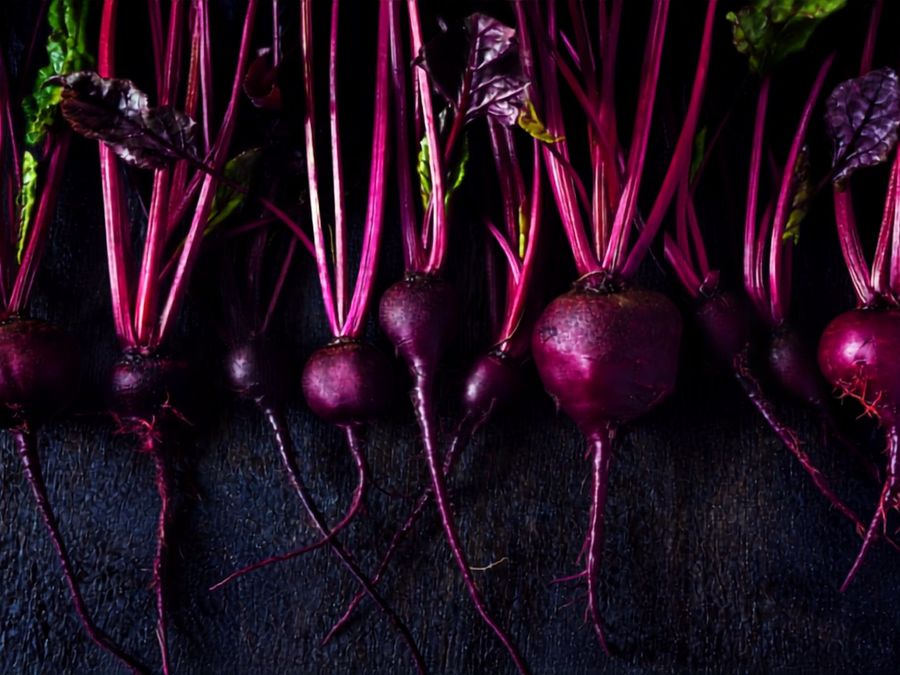
Beetroot, 3 min read
Pink Pee After Beetroot? Beeturia Explained
Noticed pink or red pee after eating beetroot? Don't panic. Find out what beeturia is, why it happens and when you should get it checked.
- Written by
- Peggy Yeomans, Senior Content Writer
- Published
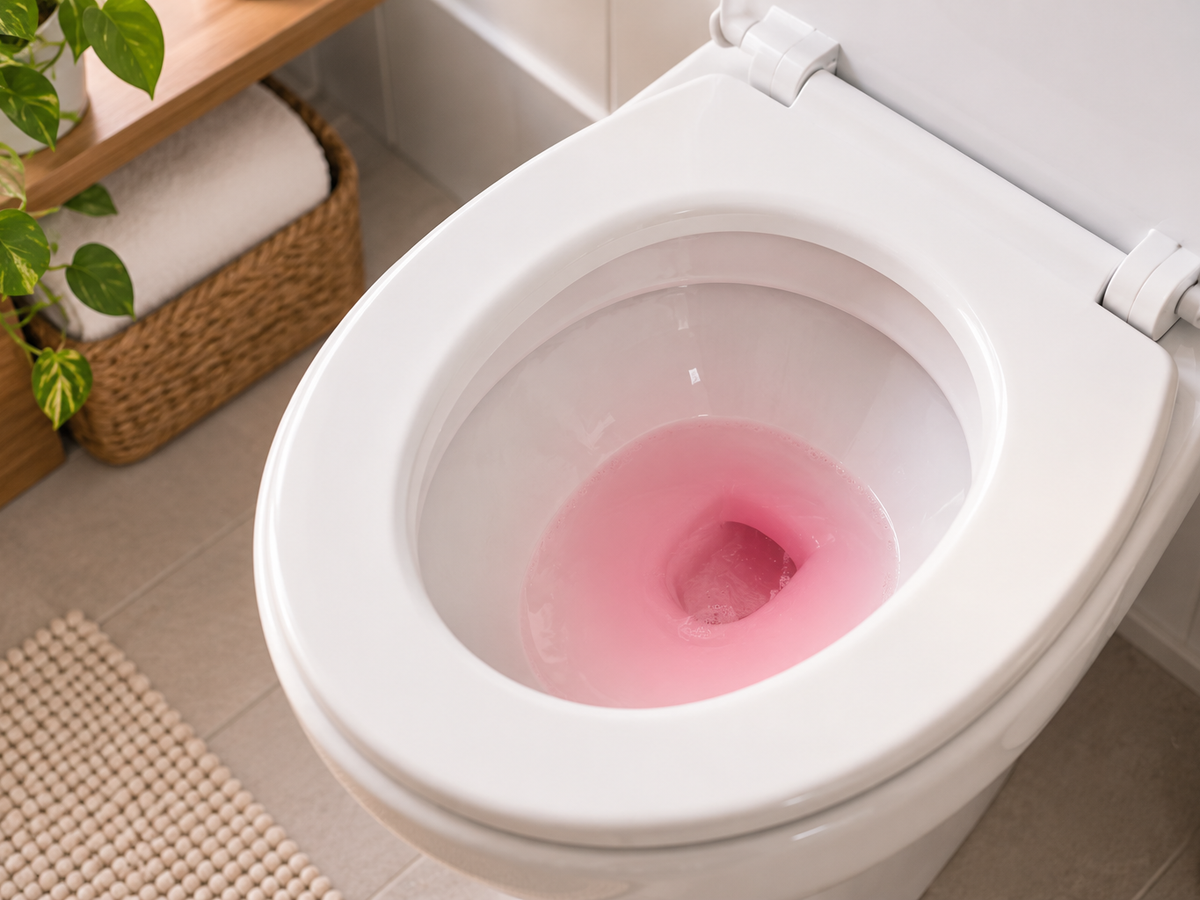
You sit down for dinner, enjoy a generous helping of beetroot and think nothing more of it. Then, a few hours later, you head to the bathroom. You look down. Pink. Or perhaps even a slightly alarming shade of red.
Before you start Googling “kidney failure symptoms” at 11pm, there's something worth knowing. If you've recently eaten beetroot, there's a perfectly innocent explanation: beeturia.
So, why does beetroot turn your pee pink?
Beetroot contains naturally occurring pigments called betalains, including a red-purple pigment called betanin.
When you eat beetroot, some of these pigments can pass through your digestive system and eventually be excreted in your urine. For some people, enough of the pigment makes it through to give their urine a noticeable pink or reddish colour. And that's what we call beeturia.
How common is beeturia?
Not everyone gets it. In fact, research suggests that visible beeturia affects only a proportion of people. One classic study (opens in a new tab) estimated it occurred in around 10–14% of people after eating beetroot. Other research has shown considerable variation in how much beetroot pigment people absorb and excrete.
So if your partner can eat beetroot without their bathroom changing colour, while yours looks like you've poured cranberry juice into the toilet, you're not necessarily doing anything differently. Your body may simply process and excrete the beetroot pigments differently.
Is beeturia dangerous?
Generally, no. Beetroot-related red or pink urine is usually harmless and temporary. The NHS also lists beetroot as one possible cause of red or pink urine that isn't due to blood. So, if you've just eaten beetroot and subsequently notice a pink tinge, there's usually no need to panic. Your beetroot may simply be making its presence known.
However, if you experience any other alarming symptoms like pain or discomfort when urinating, you should seek medical advice.
Why doesn't it happen every time?
The way our bodies deal with beetroot pigments varies from person to person. Research has found differences in the absorption, metabolism and excretion of betalains, which may help explain why some people experience beeturia and others don't.
The amount and form of beetroot you're consuming may also play a role. For example, researchers have measured beetroot pigments in urine following consumption of beetroot juice, but the amount and timing can vary considerably between individuals.
What about beetroot supplements?
If you're taking a beetroot supplement rather than eating roasted beetroot or drinking beetroot juice, things can be a little different. Different products can contain different amounts and forms of beetroot compounds depending on how they're made and concentrated.
And here's something worth remembering: Pink pee isn't a test of whether your beetroot supplement is working.
Some people may experience beeturia. Others won't. So if you're taking a beetroot supplement and your urine looks completely normal, that doesn't mean the product isn't doing anything.
And if your urine does turn pink? It doesn't mean you've unlocked some special level of beetroot effectiveness either. It simply means that some of those colourful beetroot pigments have made their way through your body and into your urine.
So, should you worry about beeturia?
For most people, beeturia after eating beetroot isn't something to worry about. It's simply one of those amusing little quirks of eating a very colourful vegetable. And perhaps it's not such a bad reminder of just how much of what we eat can make its way through our bodies.
So next time you enjoy some beetroot or your Beetboost supplement and notice a slightly suspicious shade of pink in the bathroom, there's no need to worry,
References
- A R Watts 1, M S Lennard, S L Mason, G T Tucker, H F Woods View source (opens in a new tab)